
October cohort
October 12, 2026 – November 13, 2026
Space available · confirmed September 26, 2026
Five-week Certified Nursing Assistant course
A good CNA knows the steps of a transfer and notices whether a resident feels safe doing it. Taylor's 175-hour course teaches both: the skills of everyday care and the habits of attention, respect, and communication that make those skills count. Start with classroom and lab practice in Grandview, then build experience through supervised clinical training.
At least 75 classroom hours and 100 supervised clinical hours.
Grandview classroom; Belton clinical site on the current schedule.
Completing the course is one step; passing the state exam is another.
Week by week
For the first two weeks, you learn in Taylor's classroom and skills lab at 824 Main St in Grandview. You can see a technique, ask why it matters, and practice it. The final three weeks take your learning into supervised clinical training. The current published cohorts list Carnegie Village in Belton.
Taylor's course includes at least 75 classroom hours and 100 supervised clinical hours, for 175 total. Published class hours are Monday through Friday, 7:00 a.m. to 2:30 p.m. Review the dates and talk with admissions about transportation or scheduling questions before choosing a cohort.
See the Class Schedule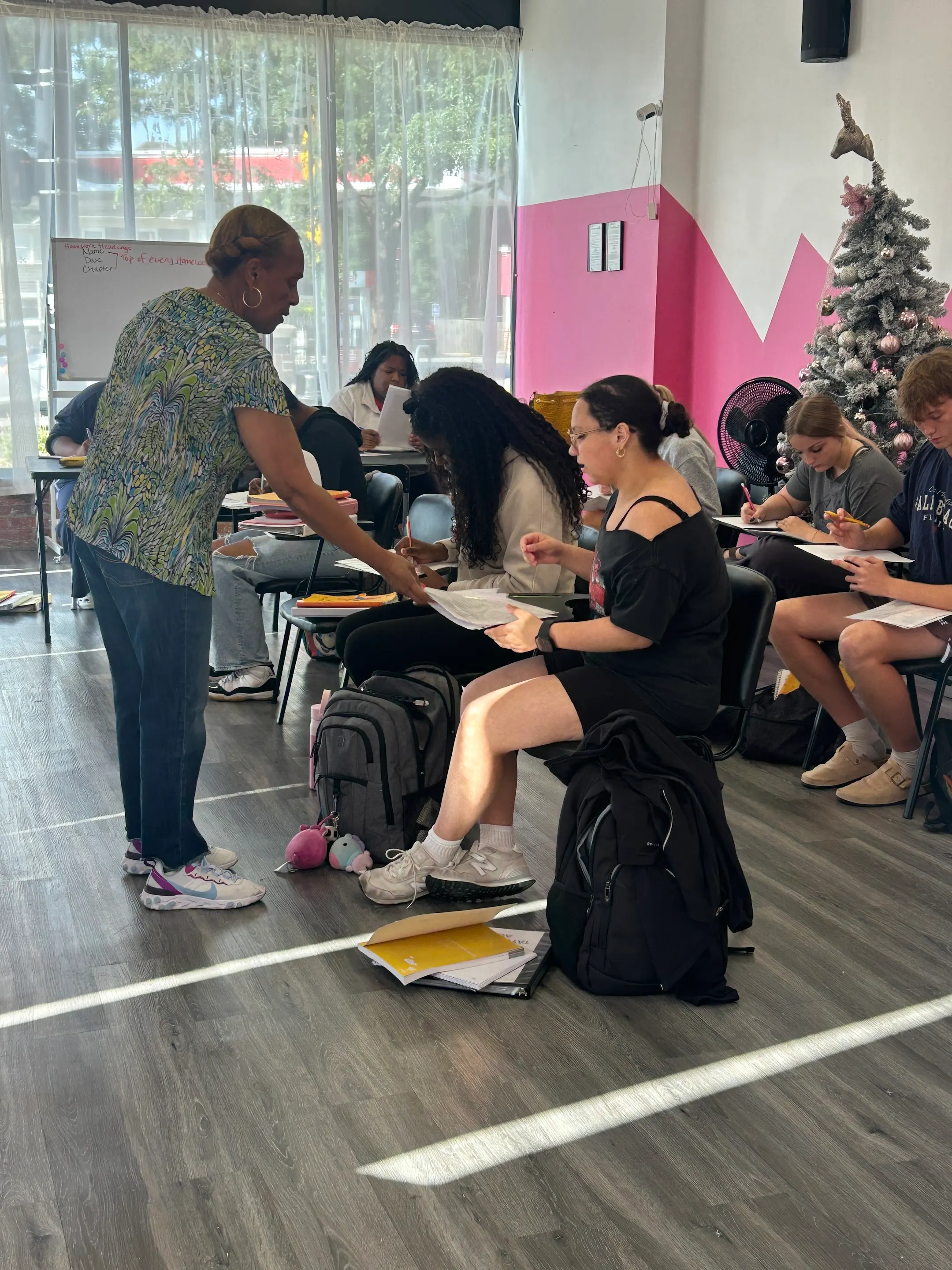
What you learn
You will learn to introduce yourself, explain a task, and respect a resident's choices. You will practice bathing and grooming, helping with meals, taking vital signs, supporting safe movement, and recording or reporting what you observe. You will also study infection prevention, resident rights, and care for people with cognitive or other special needs.
Practice bathing, grooming, nutrition, and comfort while respecting each person's preferences.
Learn transfers and mobility support that protect both the resident and the caregiver.
Take vital signs, observe changes, record clearly, and report to the nurse.
Use privacy, communication, resident rights, and infection prevention in daily care.
People teaching people
Taylor's CNA instruction is led by Missouri-licensed registered nurses or licensed practical nurses with adult-teaching preparation or experience. In a smaller cohort, you can ask a question, repeat a skill, and get help when something does not click the first time.
Admissions can tell you about the instructor and group size for the class you choose.
Ask About Your ClassYou do not have to know every answer about tuition or testing to tell Taylor you are interested. The published enrollment checklist includes:
Admissions can explain when each item is due and whether the clinical site has additional requirements.
After class
Once you complete the course, the next step toward Missouri CNA certification is the separate competency evaluation, with knowledge and practical skills tests. Passing the required tests is needed for certification and registry placement. State testing is scheduled and paid separately through Headmaster's TMU system.
Nursing assistants may work in long-term care and other settings Taylor lists, including assisted living, rehabilitation, home care, and hospitals. Employment depends on available roles and each employer's requirements.
See Exam CostsCourse completion is preparation for certification; it is not the certification itself.
Published starts
The dates below come from Taylor's published schedule. Ask admissions about a place in your preferred class before making work or transportation plans.
See the complete scheduleOctober cohort
Space available · confirmed September 26, 2026
November cohort
Space available · confirmed September 26, 2026
Dates published 2026-09-03. Space was confirmed by Taylor on September 26, 2026 for the listed upcoming classes. Dates, locations, and availability may change; applying does not reserve a seat.
Five weeks and 175 total hours. The course includes at least 75 hours of classroom and skills instruction and 100 hours of supervised clinical training.
Explore the courseYou will practice personal care, safe movement and transfers, vital signs, communication, infection prevention, resident rights, and accurate observation and reporting. You learn how to carry out a task while protecting the person’s comfort and dignity.
See the learning areasThe course starts with classroom and skills practice before clinical training. If you have cared for a family member, that experience may help you connect with the work, but it does not replace course requirements or the state exam.
See the courseMissouri-licensed registered nurses or licensed practical nurses with adult-teaching preparation or experience lead Taylor’s CNA instruction. Admissions can tell you about the instructor for the class you choose.
Ask about your classCourse completion prepares you for the separate Missouri competency evaluation. You must pass the required knowledge and practical skills tests to pursue certification and placement on the state registry.
See the test costsTalk with Taylor
Start learning both. Taylor can help you choose a class and explain the enrollment steps.